Wednesday, October 28, 2009

Post 10 - Fixie Writers, Marian

From researching on the Internet fixie bikers are using use the mainstream media to communicate with other fixie bikers about who they are and what they want their fixie culture to be. Fixie riders and non fixie riders are coming together to not only solve issues that concern each other about safety but also the trends that sets them apart. The issue on safety is the fact that most fixie riders choose not to have any because it takes away from the act of fixie riding. So what is fixie riding? And why is there such a fine line between those that ride with a fixie and riding geared bikes?

These writers insist that fixie biking is not about the destination or the sport but about the appeal of unifying the bike as your second skin, a fashion statement in other words. Because fixie bikes are not geared up with wires and devices, you no longer have weight and the predetermined style that comes with a mountain bike. Instead, it becomes a blank canvas by which the users have more freedom to pick and chose the colors that best suit their identity and individuality. Some have also related the activity to walking, that the bike is an extension of the leg and that the biker begins to have a different experience with his environment because of the freedom of movement.

Talking more about color, many of the bikers online like to show off their bikes by using these neon-like bright colors. It’s perfect during the daylight, but the flash identity disappears by night.

http://www.wired.com/gadgetlab/tag/fixie/

http://fiveprime.org/hivemind/Tags/fixedwheel,fixie

Fixie bikers are definitely aware of the need to find a way to illuminate at night, but the issue here and why it might not be appreciated from the fixie culture is perhaps because it was not measured around the understanding of the culture. This is not about the ones who ride a fixie and don’t mind a helmet or those lighting gadgets that sticks to the helmet or bike. This issue goes out to the hard core “hipsters” fixie bikers who follow a specific set of rules. Most of the issues with these lighting device has to do with it’s practicality. The integrated LED on figure 2 does not rotate to follow the front wheel. The wooden seat cuts circulation and the aesthetic value is not very high from these fixie bikers.

http://ctothejl.com/lifestyle/alien-led-lights-make-fixies-less-un-cool/

http://www.treehugger.com/files/2009/01/bike-with-built-in-lights.php

http://www.wired.com/gadgetlab/tag/fixie/

I believe the best way to understand the feeling of riding a fixie if you haven’t is to watch this video :

http://www.youtube.com/watch?v=F0AFpq6jFok&feature=player_embedded

You get to visually experience the simplicity and playfulness of the movement. The sense of speed is incredible and it is very attractive as a simple structure. This minimalist attribute makes you want to think in that same way.

Fixie culture is not just about a style but a direction towards versatility and individuality. These characteristics are being implemented in various areas. One of which is American Apparels versatility in clothing. Furniture design see’s modularity as a way to shape a changing environment.

http://www.furniturestoreblog.com/2008/index.html?page=135

http://www.dezinehq.com/2009/03/18/unique-furniture-designs/

Many artists are creating playful scenarios that stem from everyday habits. This is an example of cultural obsession with relation to long eye lashes and their appeal to a specific audience. What’s interesting about the LED Lashes is that it allows for personal creativity and gives the user a sense of individuality. THIS creative Individuality is a reflection of the user’s culture.

What we tried to express in our project prototype for the fixie rider is that same sense of playfulness, individuality, and versatility while answering to a very serious issue which is safety.

The decisions were made based on apparent features which are light, color, and attraction. While sticking to the themes fixie bikers have given themselves we found that a neon looking, sophisticated and ambient light would set it off.

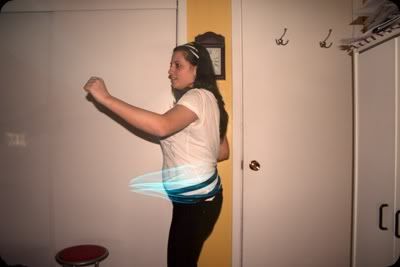
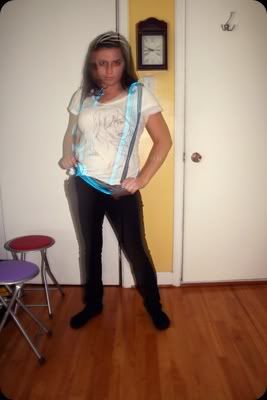
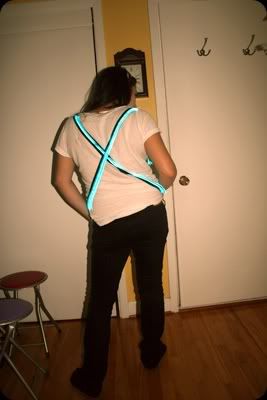
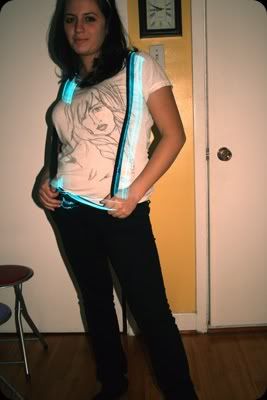
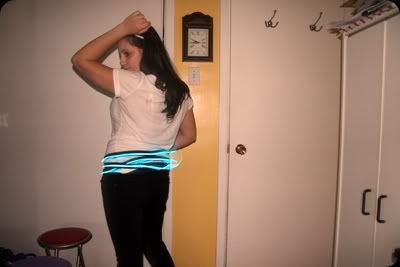
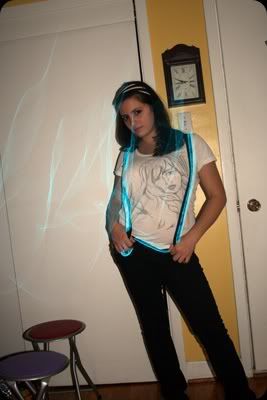
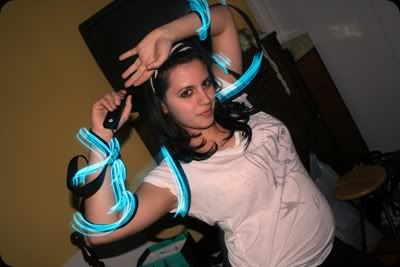
Most bike vests are not very exuberant which justifies it’s function so we pulled a 360 in the fashion department and created and streamline belt that envelopes around your whole body in any way necessary and emits light when needed. For a multiple look we made it so that it’s second use would be that it acts as a simple belt or suspenders.

We found that there would be many ways to go about making this happen, one of them was to create short strips, but by doing that , it takes away from independence from the body to hold itself together. Or else, we would have to figure a way to connect them to the outfit. By having a long strip, the slim look is continuous.

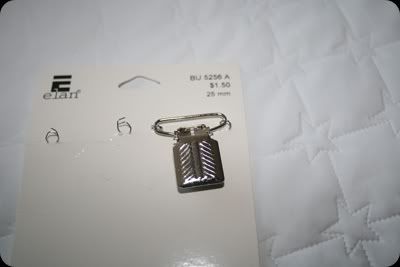
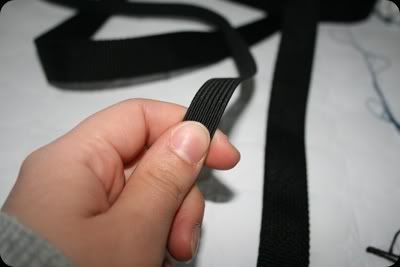
There weren’t many choices on the clips, the only way was to let it hook on to it’s self by the ends. But even by doing so, depending on the shape of the person, maybe tension would be needed as an extra to have a good fit , so we created 2 strap-on to tighten the belt to the body.

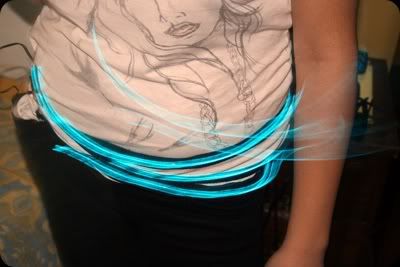
The BLUE neon color was not so much a “ have to” choice but more of a selection. The idea was to have a sophisticated light source, and any EL wire would have done the trick. Of course, after testing it out on the street we noticed a few things that could have enhanced this look.

One issue that we found out was that our electronic board was not made to light that long of a wire so we lost the real power of the EL wire luminescence. This was unfortunate because while we were in Elio’s lab, it was clear just how powerful this wire can be! The other option was to buy LED lights but we didn’t want to take the risk of creating the same kind of luminescence you already see implemented as “ Bike lights”.

It would have also been interesting if we took a risk in playing with colored fabric to accentuate the light effect, rather than sticking to a safe color like sheer black to hide the appeal of the color when it is not lit.

Finally, we had to come to a decision to create a home for this prototype when it would not be used. The best look came to be a soft pouch because of the already steady and not so fragile prototype. The fabric looks and feels sexy and makes you think twice before you decide where you choose to place this product when not in use. The colors compliment the product and let’s you know what color is inside. We thought it would be essential for this pouch to have a life when it’s content is in use, so we are making it attachable to the bike or small enough to fit a pocket or your bag depending on what you choose to carry.

When you open the bag a small pamphlet is used to explain just what this product is for and how limitless it’s use is!

Over all, we are pleased to see that the objective was met and that the effect that it already has outdoors is monumental. It’s something that deserves to be seen more often. To add, we already have a buyer!

Marian, David, Mili, Keri, Vadim.

DIFLASH

Resources: http://ask.metafilter.com/89865/Whats-up-with-the-fixies

http://www.treehugger.com/files/2009/01/bike-with-built-in-lights.php

http://www.wired.com/gadgetlab/tag/fixie/

http://ctothejl.com/lifestyle/alien-led-lights-make-fixies-less-un-cool/

http://www.forgot.co.uk/fixies-and-lights/

http://blogs.democratandchronicle.com/her3/2009/05/22/diy-deck-lighting/

http://www.yelp.com/topic/san-diego-to-the-fixie-hipster-riders-i-almost-killed-tonight-on-30th-and-upas-20-minutes-ago

http://www.wakemag.org/voices/the-fixie-debate/

fixie grafitti:

http://fiveprime.org/hivemind/Tags/fixedwheel,fixie

fixie bikes

http://www.signonsandiego.com/uniontrib/20060708/news_lz1n8read.html

http://www.fixedgearrepublic.com/

brakeless:

http://www.yelp.ca/biz/brakeless-montreal

Tuesday, October 27, 2009

Post 9 - Production II

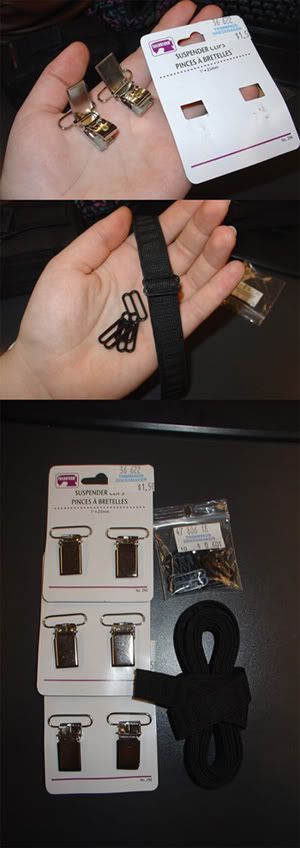
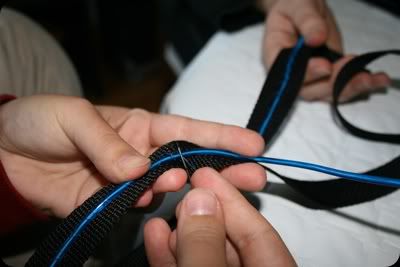
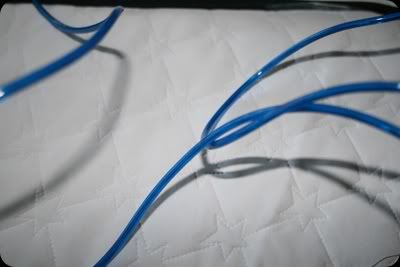
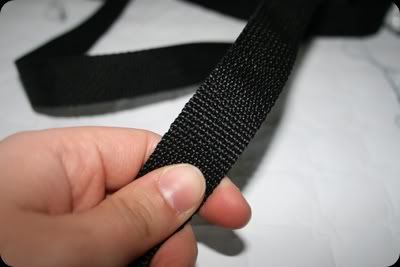
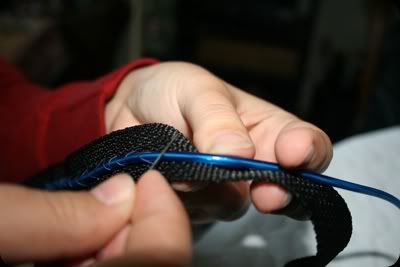
Creating the slip for the DIFlash strap and putting all of the pieces together.


Photobucket

Photobucket

Photobucket

Photobucket

Photobucket

Photobucket

Photobucket

Photobucket

Photobucket

Photobucket

Photobucket

Photobucket
The finished product

Photobucket
Photobucket

Review of cyclist information

The Cyclist Lifestyle

I chose this webpage because it has comprehensive information on the lifestyle of a cyclist. I decided to focus my research on all the different aspects of cyclist lifestyle- not just the aspects of fixi culture. I find it extremely important that all cyclists have been looked at for this project because while it's true Desmond is probably more Fixi than not, his girlfriend may not be at all along with a high proportion of the cyclist lifestyle.

One of the ladies I work with rides her bike an hour to get to work and back everyday. I asked her about this project and what her thoughts were and I mentioned fixi. She actually had no idea what I was talking about even though I was sure she would have an idea considering how much she cycles.

I do agree that it was greatly beneficial to choose one main cyclist movement and it does fit Desmond. But I also think it's important to look at everything else so this is why I chose this webpage to look at and examine.

"There are important characteristics that cyclists (bike people, if you prefer) most always share: a love of adventure, a strong whiff of self-sufficiency (self-reliance), a strong desire for good healthy exercise, a love of Nature and the outdoors, and tendencies to 1) waste less, 2) pay less attention to money, 3) not worry about impressing others, and 4) seek the humble pleasures of life." (The Cyclist Lifestyle)

This quote really describes many cyclists I know, although perhaps not all. I'm sure many of these apply to Fixi culture as well. It's important to take these factors into consideration considering that we need to design something that really fits into those characteristics instead of just assuming what cyclists are like and not like.

This article "Subtle little Clues that indicate a True Cyclist" describes ways in which to find out who cyclists are by the way they dress as well as other characteristics.

"What kind of clothing is the person wearing? While we can't use cycling shorts and shirts as a clue, there are some other clothing details that often evade notice that are more informative. For instance, is the person wearing reflectorized leg bands? Because the things feel comfortable, I forget I have them on, so I end up wearing them at the store, along the street, even on the job. Key chains are another clue, for example, James Connell has a key fob made from a Campy shift lever, Matt Castelein has key chains made from "the peel-off bits of the bottom of [his] SPD shoes," and Tim Chamber's key chain is made of bike chain. A key holder or charm designed to look like a U-bolt is so ugly that only a true cyclist® like Steve Pells would have one. And Curtis L. Russell has a Campy dropout key ring and bottle opener with his bike keys. In addition, a male might wear a bicycle tie while on a date (Jim Quinn), and a female might wear necklace or bracelet with cycling charms (Jessica Mosher). A bike bag used as a purse (Ilana Stern) is a dead giveaway, if it really is a bike bag. But, wearing a mirror on the eyeglasses is absolutely unmistakable (Walt Knapp). " (The Cyclist Lifestyle)

This little quotes recognizes that cyclists sometimes wear what they wear on their bike around in everyday life. Although it does stereotype a little bit, it is evident that there is truth to it as I have seen people wearing their biking gear around. This directly applies to our project because we wanted to make a way for Desmond and possible consumers to not have to put it on and take it off everytime they got on or off their bikes to do something in their lives. In the daylight there is a black covering in order to hide the led wire that is sewn onto the main piece so that it looks like a belt or suspenders or a many number of things. Secondly, when the Elwire is turned on, it looks really neat- especially in the dark. And it definitely grabs attention meaning that people may ask questions about it.

"A very common myth is that the purpose of a light on a bicycle is to help the cyclist see better. Even manufacturers of the lights believe this myth, as they design lights with a narrow, bright beam, not visible from the side. When cyclists realize that they don't need these lights at night, due to street lights, scattered light, moonlight, or even starlight, they ride without them, and as a result, many get killed. The real purpose of a light on a bike at night is to be seen. Motorists aren't thinking about cyclists at night, and their eyes are blinded by glare and by looking into the headlights of other cars. While the cyclist can see everything, the motorists can't see the cyclist. To ride safely at night, be sure to have lights and reflectors on the front and rear of your bike that are visible from the sides as well, and pay careful attention to any motorists near you who may be drinking, drowsy, or inattentive." (The Cyclist Lifestyle)

This section comes from the part about cycling myths. Perhaps to me it is obvious that lights are meant for motorists, not cyclists, but apparently it may not be so obvious. However, it does show that safety is an issue that cyclists need to pay attention to. For the purpose of our project, we decided to use something tha lights up instead of reflecting as a means to get others to pay attention to the cyclist. We put the lighting on the person so that it is the person who is seen. If we had created a lighting system to put onto the bike, we believe and have tested that lighting on a bike is harder to see by motorists.

This all basically sums up cyclists as a whole and not necessarily reflects just one movement. I think the information provided is not necessarily completely accurate but makes us think about different aspects of cycling as a whole.
  1. “The Cyclist Lifestyle -- The Culture of Cycling Enthusiasts and Bike People,” http://www.kenkifer.com/bikepages/lifestyle/index.htm.

Sunday, October 25, 2009

Saturday, October 24, 2009

Post 7 - Modularity Brainstorming

During our re-brainstorming session, we knew that we had to re-think the concept of DIY which we were so attached to. Initially we understood DIY as being something that needs to be made from scratch, beginning to end, wanting to promote self-empowerment by means of learning a new skill while creating someting useful. In a way we were barking up the wrong tree although our intentions and goals were valid.

The flaws of our project were intially brought up by other students from the class after our prototype presentation. Such observations as: some people don't necessarily want to do any kind of sewing or stitching by themselves or dig up an old coat and wear it as if it was the current fashion of haute couture (based on our "pretend" client's needs).

While thinking about DIY and why it was important to us, we saw that it had aspects of playfulness, creating a bond between wearer and user through personalization, among others. All of the right criteria was there but we were having great trouble in transforming these criterias into an actual product.

We decided as a group to meet with Rhona personally to discuss certain issues about our project and to help us return to our rightful path.

The theme of the discussion eventually led to "modularity" and rather than following the acronymes of DIY to the T, offering a certain variety of use would be more constructive and in-tune with our initial goal.


mod·u·lar
Pronunciation: \ˈmä-jə-lər\
Function: adjective
Date: 1798
1 : of, relating to, or based on a module or a modulus
2 : constructed with standardized units or dimensions for flexibility and variety in use
— mod·u·lar·i·ty \ˌmä-jə-ˈla-rə-tē\ noun
— mod·u·lar·ly \ˈmä-jə-lər-lē\ adverb

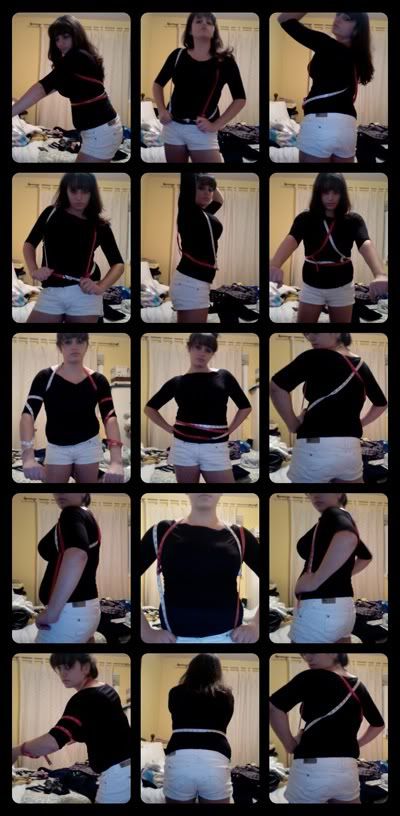
With that in mind we re-evaluated what the object would be. One suggestion Rhona made was to have a long strip that could be wrapped around the body in different ways. This reminded us some of our initial sketches, which stemmed from our play session during class, we realized that this had been something we had considered since the beginning but for some reason it got lost and thanks to Rhona, we were able to be reconnect with this idea and finally push forward.

As a result, we began playing around with the length of this strip and the number of ways in which it can be worn. Here are images of Marian demonstrating the various "vests" procured during her own "play session" with some tape measures.

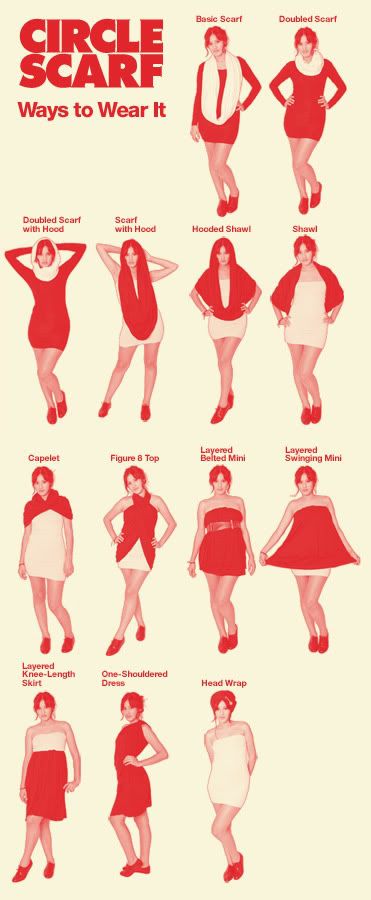
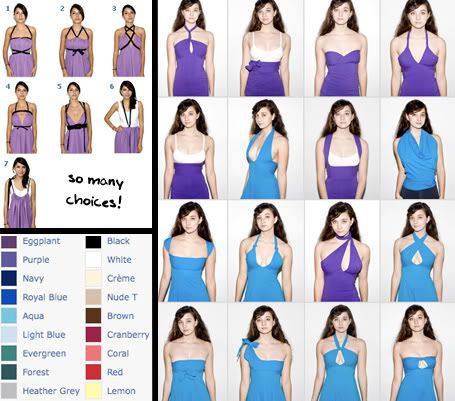
Rhona aldo brought to light another project which was done by a past Design student coincidentally for the American Apparel clothing company. It is a scarf that can be worn in a variety of ways, giving it new life with every use while giving creative freedom to the wearer.

Also, it embodies DIY in the same way that we had hoped our project would. It doesn't requirer the wearer to have any form of special skill, the only skill needed being imagination. This is precisely what we didn't know we were aiming for. The main strength of the whole culture of DIY is promoting imagination, and involving the user in the object they are wearing/using.

Here is a fan video demonstrating the scarf and how to use it:

fan made youtube video of circle scarf

While researching this product we came upon two other similar ones from American apparel called "Bandeau" and "Le Sac Dress" link .

Post 6 - Fixie Article, Miliana

"Buyer's Guide to 'Fixie' Bikes!"

This article, found on the website of a store called "Bicycle Habitat" located in New York, offers basic understanding and explanation of the Fixie phenomena to their current clientele who would perhaps be interested in using Fixie bikes as opposed to other most commonly used bikes. This way the store is able to capitalize on a current trend while also offering more variety and knowledge to cyclists of all levels of skill and interests.

Personally, I had only before heard of the term “Fixie” when a friend of mine who kept a blog of his creative productions began posting images of a bike he was building himself. At first I thought it was just a matter of him wanting to create his own bike, it was only a while later that I caught on to the fact that it was a movement he had decided to become involved in which had certain rules and restrictions. At the time there was a Montreal community website for Fixie riders and while reading through it, there was definitely a “Manifesto” feeling to it. This was about 3 or 4 years ago which is probably around the time when the Fixie culture in Montreal began to emerge. I remember seeing very few Fixie bikes and the term in itself was more word of mouth and underground.

However, in recent years, the Fixie phenomenon seems to have become a bit more widespread and has risen above ground. I believe this particular article proves this fact as Fixie bikes can now be bought in stores and the information relating to the what, how and why is much more accessible.

In truth, I was never very clear on what riding a Fixie bike meant specifically except for the fact that it was a bike with a single fixed gear and I couldn’t quite grasp why that was such a fantastic thing. Which is why I have chosen an article that sort of reminds me of the “…for dummies” book series and can give me a clearer understanding of what a Fixie bike is.

Essentially, it is indeed a bike that only has one gear, which is chosen by the rider depending on their strength going uphill, down and on flat terrain. A Fixie bike will not allow or coasting, so it is necessary to be pedaling at all times. The mechanics are very simple and unique which is how the writer of this article chose to describe Fixie riders as well. It also mentioned that there are different types of Fixie bikes such as the track bikes (for velodrome racing), street bikes, mountain-bikes and singlespeed fixies (which allow for coasting).

Also, it was interesting to learn that the very first patented bikes, going back to the late 19th century, was in fact a fixed-gear bicycle, which closely intertwines with the Fixie concept of reducing the bicycle to its essentials.

Since there are no breaks on the Fixie bike, the pedals are directly connected to the back wheel which means that in order to break it is necessary to pedal backwards and thus become very in-tune with the bicycle. This is demonstrated as a positive and unique aspect of riding a Fixie bike as it allows for the bicycle to become a bodily extension of the cyclist as opposed to an object that is manipulated and set as means of transportation. Riding a Fixie bike is definitely offers a more visceral experience which gives the rider a sense of boundless freedom.

Although this article only touches upon the subject lightly, it does mention that it is possible to construct a Fixie bicycle with the right set of tools and knowledge, which the store in question offers. I believe it is not surprising to see that some of the first Fixie culture riders were creatively driven and have enticed a slew of new riders to follow this movement either for functional or aesthetical purposes.

----------------------------------------------------

In relation to our product, this article is useful in our research as it gives us a basic understanding of the different types of users/riders of Fixie bikes and the aspects of.

The simplistic and aesthetic nature of a Fixie bike will definitely influence the outcome of our product as well as helping us understand what type of Fixie rider Desmond is and how we can satisfy his particular need while respecting certain guidelines.

Thursday, October 15, 2009

Prototype Presentations II


3A - Interactive web source for foreign student
- Play session, small floor plan of action figurines.
- Book source, “Show me how: 500 things you should know”
- Gerd Arntz iconography work conveys information with little details. Visual inspiration.
- Social acquisition article
- Interpersonal vs. intrapersonal
- Interpersonal: resolved quickly, thoughts/feelings linger
- Intrapersonal: conflict, embarrassment, reflective
- Brenda Laurel, developed toys for girls to create virtual playground.
- Possibly an iphone application
- “The New Media Reader” by Terry Winegrad, helped decide why to choose web based media vs paperback. Greater platform, global access to information.
- Ontology: nature of things and how they are organized
- Web interaction not intuitive. Web based scenario with clickable stackable speech bubbles (previous ones become dimmer and less important).
- Feedback/advice from user. “Advice” as opposed to “comments”
- Self moderates by voting system n advice by other users listing most agreed with at the top and least at the bottom.
- More interpersonal than intrapersonal
- Doesn’t address multiculturalism in certain countries.
- Dark colours, too impersonal/intimidating

3B Blog based community offering information for foreign student
- Breaking the ice with humour as effective way to learnand interact with awkward situations
- Boook source, “Slangman Guide to Street Speaking”, learnt more about what not to do.
- More user generated content
- Videos and pictures as opposed to pictograms
- Focused on specific information for specific foreign student
- Dynamic and modern

3C– Board game for foreign student
- Board game approach to facilitate learning through having fun
- Layout based on layout of an apartment
- Sociological and sociolinguistic research
- Importance of fun and games in breaking down real life structures
- Avoids going into the situation cold turkey
- Can improve interaction skills through “play” and practice
- If the product isn’t used anymore than the goal has been reached and can be passed on to another student or person looking to improve their interaction skills.
- Game allows for role switching of users
- Proactive
- Addresses possible confidence issues
- Good open endedness, can become an online game and different culture versions

3D – USB + flashcards for foreign student
- Interaction engagement
- Pictograms
- Portability
- Addresses parental engagement/non engagement of child\s abroad student life
- Postcards offered to send back home
- Element of humour in flash cards and pictograms
- Packaged in pizza box, humouristic approach to student life
- Book source, “Citizen Designer: Perspectives” by Helen Keller
- Visual brainstorm map
- Postcards a bit too impersonal and may worry family and friends rather than comfort
- Offering USB key with option to personalize flash cards and postcards

4A – Glass is Class
- Community website as public service announcement to convince people to reuse their glass jars
- Resources available to create your own label and tutorials on how to create cozies, etc…
- Information on reasons and research that proves why glass is a better option than plastic
- Interactive information page
- Promote re-using jars creatively and for health reasons
- Proactive campaign to spread the benefits of reusing glass jars